Water in the west


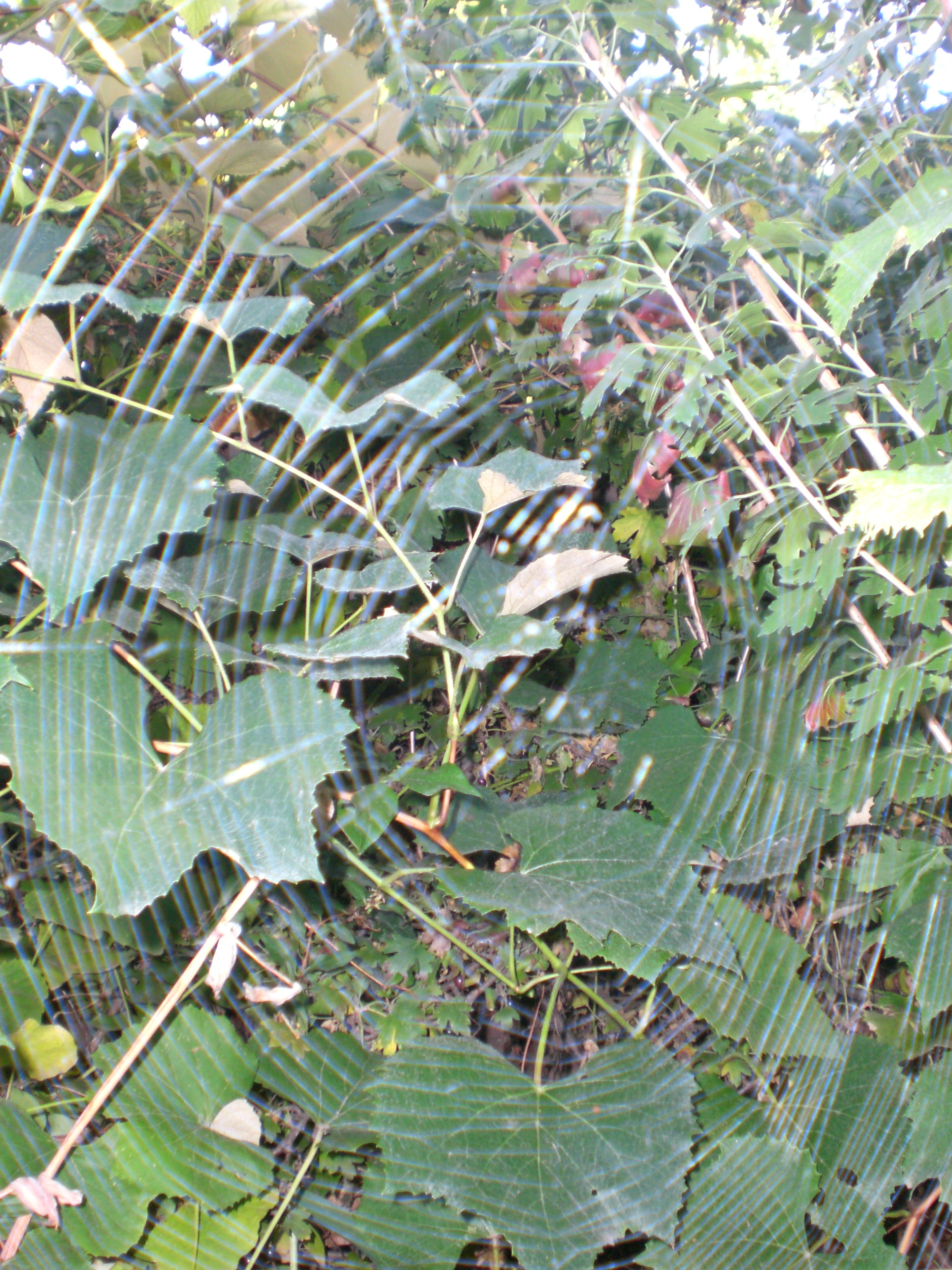
A dusty spider web, waiting for rain.


I recently learned about  Liebig’s law,( http://thearchdruidreport.blogspot.com/  ) an ecological principal I wasn’t familiar with before. I always blame my lack of scientific knowledge on the fact that my junior high science teachers were ski coaches, and then I had the football coach for biology in 10th grade. By the time I got Mr. Marta in my junior year, I was already on the road to being an English major. I’ve been trying to make up for it in recent years.  Anyway, Liebig’s law is basically that whatever resource that is necessary for an organismto survive is in the shortest supply is what puts an upper limit on the carrying capacity of an environment for that organism.  For worms, it might be organic matter, for tomatoes calcium, humans on the Planet Express Ship, oxygen… in my garden, in Northern Colorado, the limiting factor is water.

I read a lot of organic gardening books, and magazines, and most of them are centered on the east coast, where wet soil is the problem. There is lots of information about drainage, and raised beds to dry out your soil faster in spring, and waterlogged roots and certain plants not liking “wet feet”

 I noticed today that there are cracks in the soil of my flagstone path. The sand that separates the pavers is falling thru to the center of the earth. There are probably cracks in the beds too, but the mulch hides them. I have run the drip system in the beds, and the sprinkler in the lawn, but I don’t water paths, so the cracks will get bigger until it rains. We had a misty day last Saturday, enough to make it cold and unpleasant for the boy’s soccer game, but it didn’t close up the cracks in the soil.

I went to Massachusetts on vacation this summer, and it rained solidly much of the time we were there. I asked landscape professional (okay, he was a tree trimmer) how much rain they averaged in that area, and he didn’t know how much rain they got. He shrugged, and looked at the other guys on his crew, and guessed about “an inch a week?”

 Around here, people tend to know , to the fraction of an inch, exactly how much moisture we’ve gotten- they’ll say “well, the weather service says half inch, but I only had three tenths in the rain gauge.”

It has not rained here for almost a month- we’ve had some scattered showers, but the soil is cracking, and the woods are burning. The fire in Boulder has made national news, my great uncle has had to evacuate his house. There was another fire near us, DH took the kids up to take pictures for the paper (link). A big pile of hay is on fire in Fort Collins, with sunny and warm in the forecast for the next week.

Mulch and compost help, and using native plants, and the Denver water board has a ton of information on dry climate planning and planting (www.denverwater.org/Conservation/Xeriscape ) I am experimenting with a sunken bed, the opposite of raised, obviously. I have dug out about 4 inches of soil next to my horse tank, and I’m adding some compost when I put in tulips and irises. I’ll let you know how it goes.
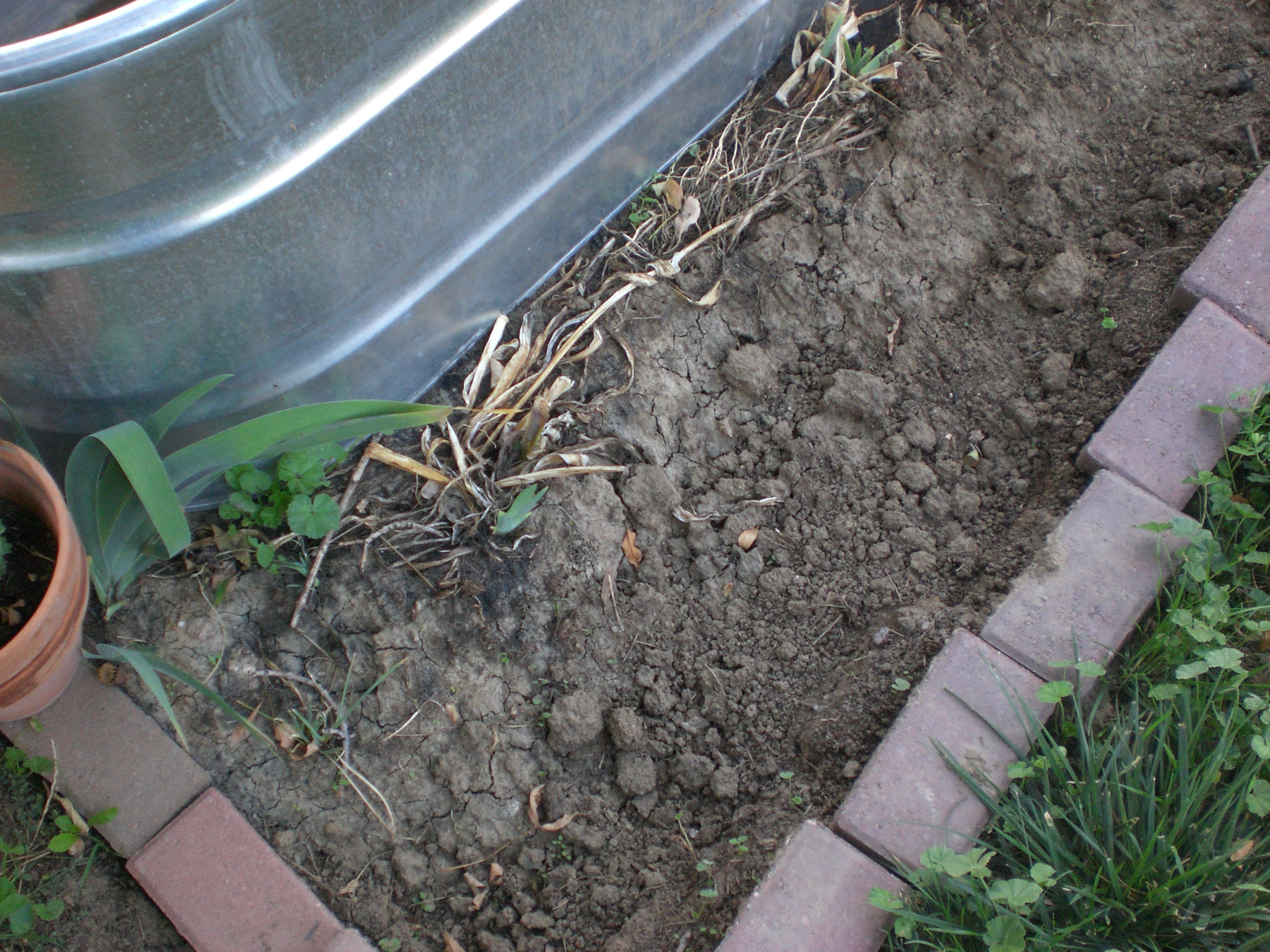
I dug out a couple of buckets of soil, and will fill this in with compost. It's ugly now, but wait til next year...

 When I see the smoke in the air, I wonder about the future- I can drag the hose to the raspberries, and run the sprinklers to keep the trees alive.  I hope for rain, though 
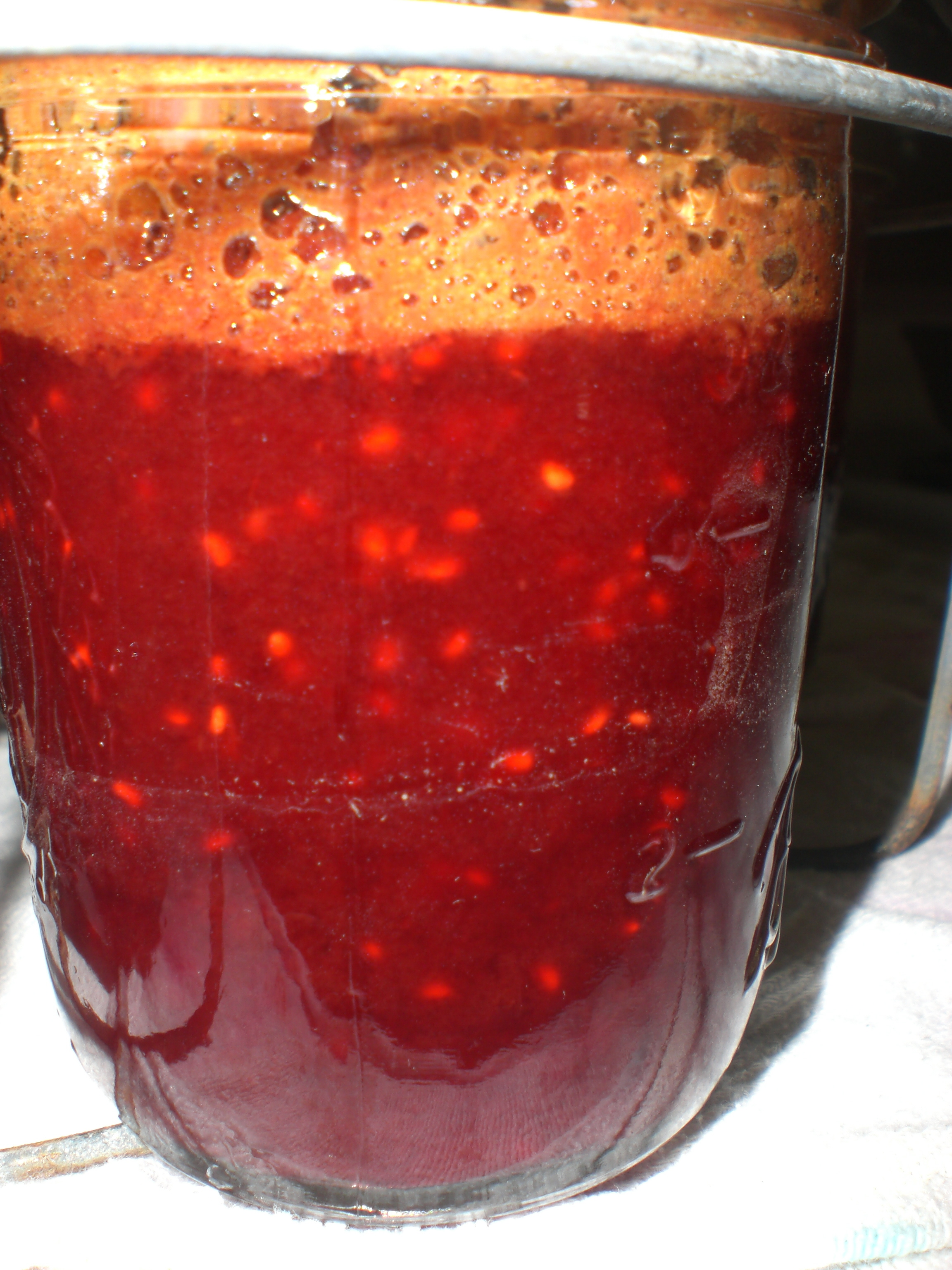
 

Why homemade jam? Why not?


You're supposed to skim the foam off to make it prettier, but I didn't.

Our first jar almost finished- 6 days after it was made.

Even though only the girl and I are eating this stuff, we are zooming through it. Looking for excuses to put jam on stuff. You know, I could go for a piece of toast right now.

So, in a world where you can buy jam at the store, where there is a whole grocery aisle devoted to it, why bother making it at home?  I’ve been thinking this a lot lately, as I’ve been making bread, buttermilk, soup stock, lots of  stuff from scratch that my mom, for instance, never made. What do you make from scratch?

The short answer is that I enjoy it, mostly.  It feels good to have stock bubbling away in the crock pot, and then turn that stock into soup. It is kind of fun to stir fruit and watch it bubble and thicken in a pan, then spoon it into jars. 

Cost enters into it as well- buttermilk costs 4 times as much at the store as it does to add some old buttermilk to fresh milk and let it culture. Once you have started a jar, you have a lifetime supply.  I did a little research on line to see what organic raspberry jam would cost, and prices varied from $4-$9. I would never pay that much for jam.  As it is, the berries were from my garden, so free ( ha ha, if you don’t count the labor and the water…) the pectin was about $3 for 6 jars, and it was probably $2 worth of sugar. 

The quality is the last, best answer.  The reason I couldn’t find the price of raspberry chocolate jam is that no one appears to sell it. And it is reallllly good.  To make it, I add a tablespoon of  cocoa powder to the recipe on the insert of the pectin package, and follow the other directions as stated. It could probably be done with cherry or strawberry, too. Experiment.

I don’t know karate, but I’m a black belt in furoshiki


In the old days in Japan, people used to walk to the public baths- in fact, they still might, if this Shonen Knife song is any indication. http://www.youtube.com/watch?v=wJz3ACnCKJY  People would tie up their stuff in a bundle to take with them. Furo means bath, and shiki means bundle, and because in Japan there is an art to making everyday things beautiful, furoshiki has become an art. There are different folds, different wraps were created, beyond what I think of as a hobo bundle.http://furoshiki.com/techniques/

oooh, pretty tags, too

People gave gifts wrapped in fabrics, with different ties best suited to different sizes and shapes of packages.
After WWII, when paper became cheaper than it had been in Japan, and it was fashionable to lose the old style of doing things, and adhere to new, furoshiki declined as an art. People wrapped in paper.

As a green American (actually, I’m a white American, but I like to think of myself as environmentally aware) I hate wrapping things in paper. Also, I’m really bad at it. I used to work at a Hallmark store, and hated being on “complimentary gift-wrap” duty. Picky people would stand over me thinking to themselves, “I could have done this better myself” and they likely could have done it better- I was hopeless. Even now, I claim my kids have wrapped the packages at Christmas, because it looks like it was done by a 5 year old.
Last Christmas, there were 15 people opening presents at my family’s celebration. There were 2 garbage bags full of wrapping paper thrown away when we finished. And we even saved out the shiny gift bags and the paperboard boxes. I hate wrapping, and I hate throwing it away. So, I like furoshiki. For some really beautiful pics and a chance to practice your Japanese…http://www.kakefuda.co.jp/

All this year, I have been shopping thrift stores for silk scarves- ARC in my town sells them for a dollar, and sometimes has them half off. The tricky part is finding scarves for boy presents, but bandanas or animal prints are surprisingly common. I guess I’m surprised because I don’t wear zebra print scarves, but they are all over the thrift stores.
My other idea has been to sew gift bags. I have made my daughter a big pink drawstring bag and a couple of smaller bags out of a pink skirt I got at ARC. $2 and I will use them for every gift occasion until they wear out.(picture) Before my son’s birthday, I’ll make him a couple of bags as well.
My goal is to have no paper wrapping at Christmas for my immediate family. Anyone join me in a no-paper holiday?

It’s not depreciation, it’s self-deprecation, idiot! er, I mean, Self Deprecation and Giftedness


bedside reading

A selection of books by my bed.

My daughter is ten, and in the gifted and talented program at her school. A few years ago, when she was first being tested, I told my sister in law, and she asked if my husband was gifted, and if that was where she had inherited her intelligence…I realized that I had done too good a job hiding my light, as it were. Covering, acting like I wasn’t as smart as I am…

Actually, I have spent 40 years swinging pendulum style from showing off knowledge, back to acting normal, then exploding with brilliance, then faking idiocy. In the 80’s in a small town, it wasn’t okay for me to act smart. I remember hemming and hawing at Trivial Pursuit questions pretending the answer wasn’t obvious, sitting on my hands in Spanish in junior high. It was absolutely not appropriate for me to get better grades on Spanish tests than the Mexican-Americans who spoke Spanish at home- they were mean to me because of it. I didn’t stop trying, I just tried to be less obvious about what I knew. Other people who grew up with me may argue, perhaps they were super-intelligent and felt their intelligence was nurtured by their peers. No one else has lived my life, and being super genius was not the way to go, most of the time for me. I developed a “self-deprecating” style in the hopes that people would like me. It doesn’t always work.

Inside, I’m still nerdy, and desperate for people to like me, or at least not hate me.. I sometimes wish I could be that person who thinks, if they don’t like me they can f— themselves, but I’m just not. See, I can’t even cuss on my own blog, I’m so desperate for you to not be offended. So, the pendulum swings again, and I listen politely while people explain things to me that I already understand, then I show off, explaining how linguists use a phonetic alphabet to transcribe people’s accents, or that the Rosetta stone is actually in the British Museum. Then I make a joke, put myself down before anyone else gets a chance to. Those boys in junior high Spanish were mean as a form of social control- they didn’t want to feel bad themselves, so they made me feel bad.

At least I have chosen a job where my intelligence is mostly rewarded. I teach, and that is a job where I can be a know-it-all. I’m supposed to be an expert, if not a genius, and so I mostly fit in here.
As an adult, I have found circles of friends who like me for me, a husband who is my peer. I am so lucky. The pendulum doesn’t swing so far that I am afraid of falling off anymore.

Knowing this, I worry for my daughter. She is, as I said, also gifted (she gets it from both of us, dammit…)and I see her crazy pendulum swings now, in upper elementary, and wonder what middle school will be like. When she gets an answer on her homework wrong, she’ll hit her forehead with the heel of her hand, chanting “stupid,’tupid, ‘tupid!” Then the pendulum swings again and she says, “actually, Mom…” and correct my misconceptions. She recently learned the word misnomer, and went around using it correctly. “Monty Python’s Flying Circus is actually a misnomer, it isn’t a circus that flies…”

I wish her grace- the skill to gracefully show what she knows without appearing snotty, I wish her confidence, not arrogance. How do I guide her? Her G.T. teacher, herself a gifted person who is the mother of a gifted girl, oddly isn’t much help…she has just come through the teenage years and wonders how she survived, I think. Conversations in the teachers’ lounge usually turn into parents bragging about how smart their children are, a round robin story topping festival. Not helpful, when I want my little girl to grow up happy…

I shared the story about my sister in law not having noticed I was smart with a colleague, herself a gifted woman. She laughed. In my voice, she said, “Oh, see, I’ve been hiding the fact that I’m smart around you because I didn’t want you to feel baaaad.” She had also spent time covering up her intelligence, but she had realized that she could be one of those people who says F you. She knows who she is, and and she isn’t going to act any differently just to make other people feel comfortable. She probably even can curse on her blog. I’ll just stay here on this pendulum until it slows down.

photo credit, Jeff Stahla

If this is how she is after a carnival, imagine her on a bad day.

Pat Daly and the Fukuoka Pumpkin


            The summer I got married, a bunch of my friends were living in a rental on Plum Street in Fort Collins. None of them were college students at the time, but this was a classic college student rental house- old, near campus, big trees, but unkempt. I was over one day, eating a carrot, and got to the stem end of it. I looked around for a compost bucket on the counter, because I knew Pat Daly had had a compost pile at his old house. I asked him, and he took the end of carrot out of my hand and opened the back door and hucked it out into the bushes. I must have looked a little surprised.

“Have you read One Straw Revolution?” he asked. “Masanobu Fukuoka,” he pronounced carefully.  “He’s this Japanese guy who says don’t plow, or turn the soil, just plant everything in mulch, and use everything to mulch with, instead of big compost piles.” That was his summary of the philosophy- mulch everything, and anything can be mulch. There’s probably more to it than that.

We stepped out into the back yard- knee deep in grass and weeds, a squash plant trailing through, tomatoes ranging around.  Later that summer they would get a letter from the city telling them to mow, because of complaints from neighbors. I still haven’t read One Straw revolution”- it was out of print, and I hadn’t come across it in my used book store travels. A quick look on Amazon shows me that it has been reissued, so maybe I need to pay 10 bucks and get an education. http://www.amazon.com/One-Straw-Revolution-Introduction-Natural-Classics/dp/1590173139/ref=sr_1_1?s=books&ie=UTF8&qid=1284220635&sr=1-1

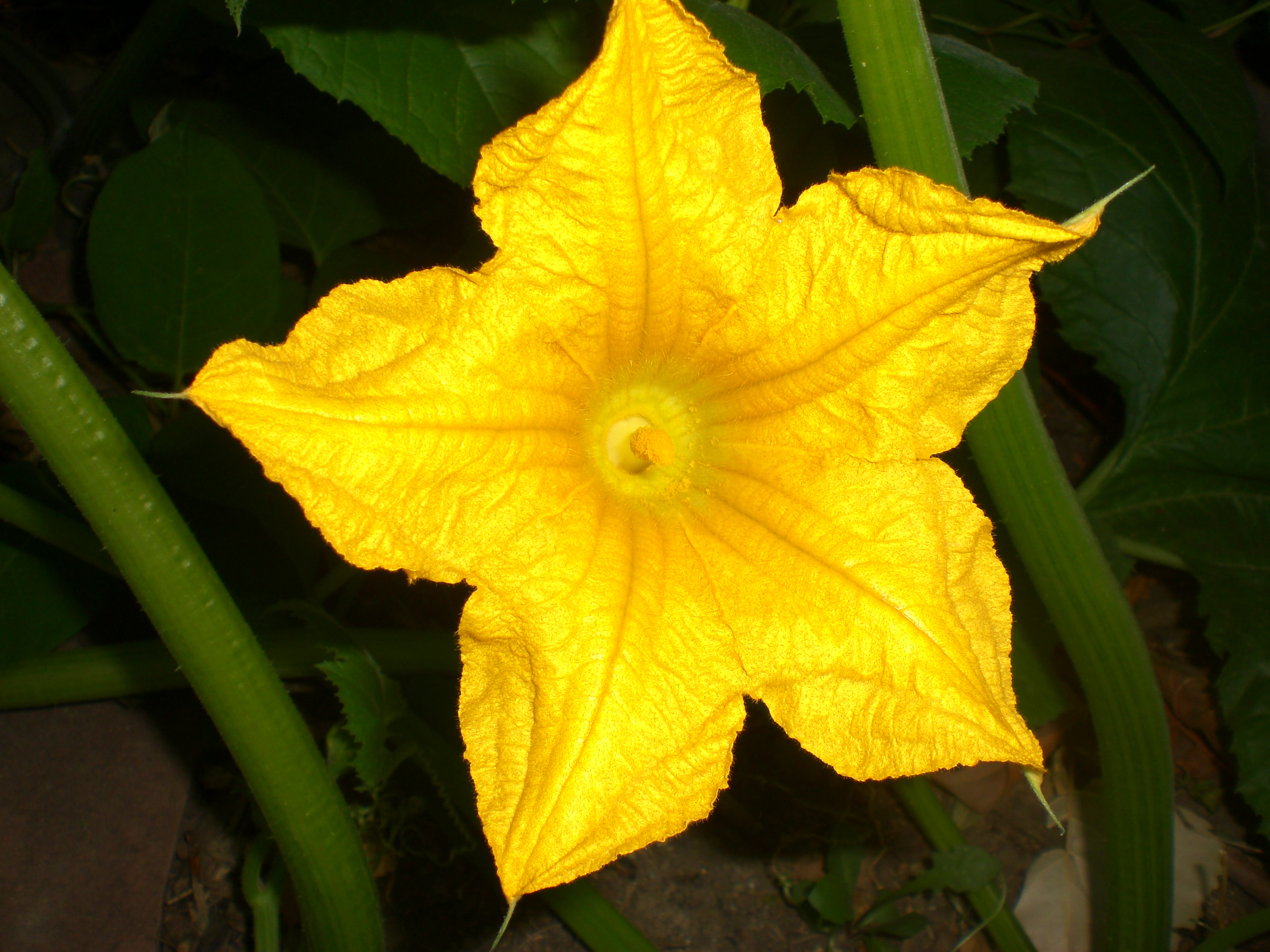
I thought about Pat Daly and his Fukuoka experiments earlier this summer when I noticed a sprout growing next to my back door- when it was little, it was hard to tell if it was a cucumber or sqaush- they look alike to me.  I didn’t pull it, even though I didn’t technically plant it. Sometime last fall when I was emptying the compost bucket, I was  too lazy to walk out to the bin. Maybe it was snowing, or just dark, or…honestly, I don’t remember. Seeds got dumped in amongst the leaves by the veggie bed, and one sprouted this spring. A month or so later, the plant was growing into the path, so I turned it 180 degrees, and now it’s growing behind the bed towards the house. Maybe it’s a weed, but free squash is good squash.

What kind of squash? Who knows?

What is it? We got a lot of different squashes from our CSA last year www.grantfarms.com pie pumpkin, decorator pumpkin, gourd, acorn squash, weird lumpy green ones that tasted really good but made the pie look like baby poop…It could be any of them, or a cross. There were male blooms, and just now, female blooms with fruits growing behind them. Still unidentifiable.  I have my fingers crossed for a bumper crop of mystery gourds. We’ll just call them Fukuoka pumpkins.

Slight digression- one of my favorite sites on the interwebs is One Straw www.onestraw.wordpress.com  the saga of a suburban guy who is turning his lawn into a microfarm. There’s a man who knows the value of mulch.

Accidentally planted, carelessly nourished, cautiously harvested...

Work Day


As much as I would like to sit back in my Adirondack chair in the shade, I’ve got to get some work done today. First project, patch the soaker hose that snakes through the shrub bed south of the apple tree. I’m thinking duct tape. I’ll let you know how that works out. I cut it accidentally when I planted Lady’s Mantle this spring. We got so much reliable rain this summer, that I didn’t even use the soaker until a couple of weeks ago, then I turned it on and heard the gurgling and saw the mud.
After patching, I’ll water, and weed- it’s always easier to weed when the ground is wet, although it is never really easy. I hope sometime this afternoon I’ll get some time in the shade in that chair.

I can rest in the shade later.

Grandma Noodle Soup


Grandma Egg Noodles

Waiting for the stock to simmer so I can add the noodles. See my purty blue Dutch oven.


My old roommate Rhonda taught me how to love Chicken and Noodles and Mashed Potatoes, so I should probably call this Rhonda noodle soup, but instead at our house, we call it grandma noodles, after the premade frozen noodles that is a key ingredient. It could be made with dried egg noodles, but it wouldn’t be the same- check the frozen pasta section of your local mega mart, it is worth the search.

At it’s simplest, this is noodles cooked in broth, perhaps with chunks of actual chicken in it and carrots, if you like mushy carrots, then served over mashed potatoes.  It is insane, I know, to pour a starch based food over another starch based food.  It’s crazy. Crazy delicious. 

2 quarts chicken broth

1 [pack size} grandma noodles

½ cup chopped carrots

1 cup precooked chicken or turkey- leftover is great- in fact, this is a great post-Thanksgiving recipe, because you can do turkey stock.

I have made this with store bought broth- Better than Bouillon is my favorite mix, but you can use whatever broth you like. I use homemade, lately, because I’ve learned how to make it. Look for it in a future blog post.

Yes, it is a very beige meal, but sometimes you want beige. More color next week, promise.

Take the noodles out of the freezer, stab holes in the bag and defrost in the microwave. Meanwhile, heat the stock to boiling.  and chop up any leftover chicken or carrots or whatever, and scrub and chop your potatoes ( I usually leave the peel on, because I am kind of lazy. I also know it’s good for me. Fiber. I know. I’m old.) In another pan, cover the potatoes with water and boil until soft. (Huge digression- I am at about 5000 feet above sea level and potatoes take longer for me than they likely do for you- I knew this intellectually, but when I went to Boston this summer I kept burning my tongue on coffee- dang, how can you stand it? hot coffee is hot at sea level!!! Anyway, I guess that is a difference between knowing something “intellectually” and really knowing it.)

So, when the stock or broth is boiling, add the noodles and carrots and chicken, then simmer until the noodles are done.  If you do it right, the soup will be done at about the same time as the potatoes.

Drain the potatoes and return to the pan. Throw in some buttermilk and butter- I never measure, just a glug of one and a chunk of the other. Then mash. I like lumps. I grew up on instant potatoes, and appreciate the lumpiness of real ones.

Dish up a serving of potatoes into a bowl and make a well in the middle, then scoop up some noodles and broth to cover.  I made this as a back to school meal, but it works on a  busy day, before trick or treating, after Thanksgiving, home from skiing, before basketball practice…anytime, I guess, that you want some starch with your starch. Be sure to have starch for desert, as well.

More compost than you know what to do with?


"Luke, I am your compost bin..." "NO!! thats impossible!"

“Do you ever find that you have more compost than you know what to do with?’ My colleague Lindsey asked me this one winter day a few years ago. I tried to keep my cool, tried not to frighten her as I thought about how to get this bounty of excess compost into my pick-up truck.  Lindsey and her family are vegetarians, and they don’t garden. They keep a compost pile for environmental reasons.  I am not a vegetarian, I do garden, and I can never get enough. 

            “Too much compost eh? Well, I could take some off your hands…” I didn’t quite rub my hands together and laugh evilly, but it was close. In talking to her, it turned out she didn’t have too much, it is just that her bin is small, and decomposition had slowed down in the winter, but she and her family were still producing potato peels, apple cores and other vegetable matter.  I advised her to move the bin to a new location, spread the half-finished compost under her trees, and put the new material into the bin in the new location.    

            I have two compost piles, and never enough compost for my desires. I spread it on my vegetables, around my flowers and shrubs and herbs. The rough, chunky unfinished stuff becomes mulch. The finished stuff, the compost you read about in garden books, goes into my containers mixed in with potting soil, and it goes in the holes for new plantings, to add humus to the soil and give plants a jumpstart. People say I have a green thumb- I owe it all to compost.

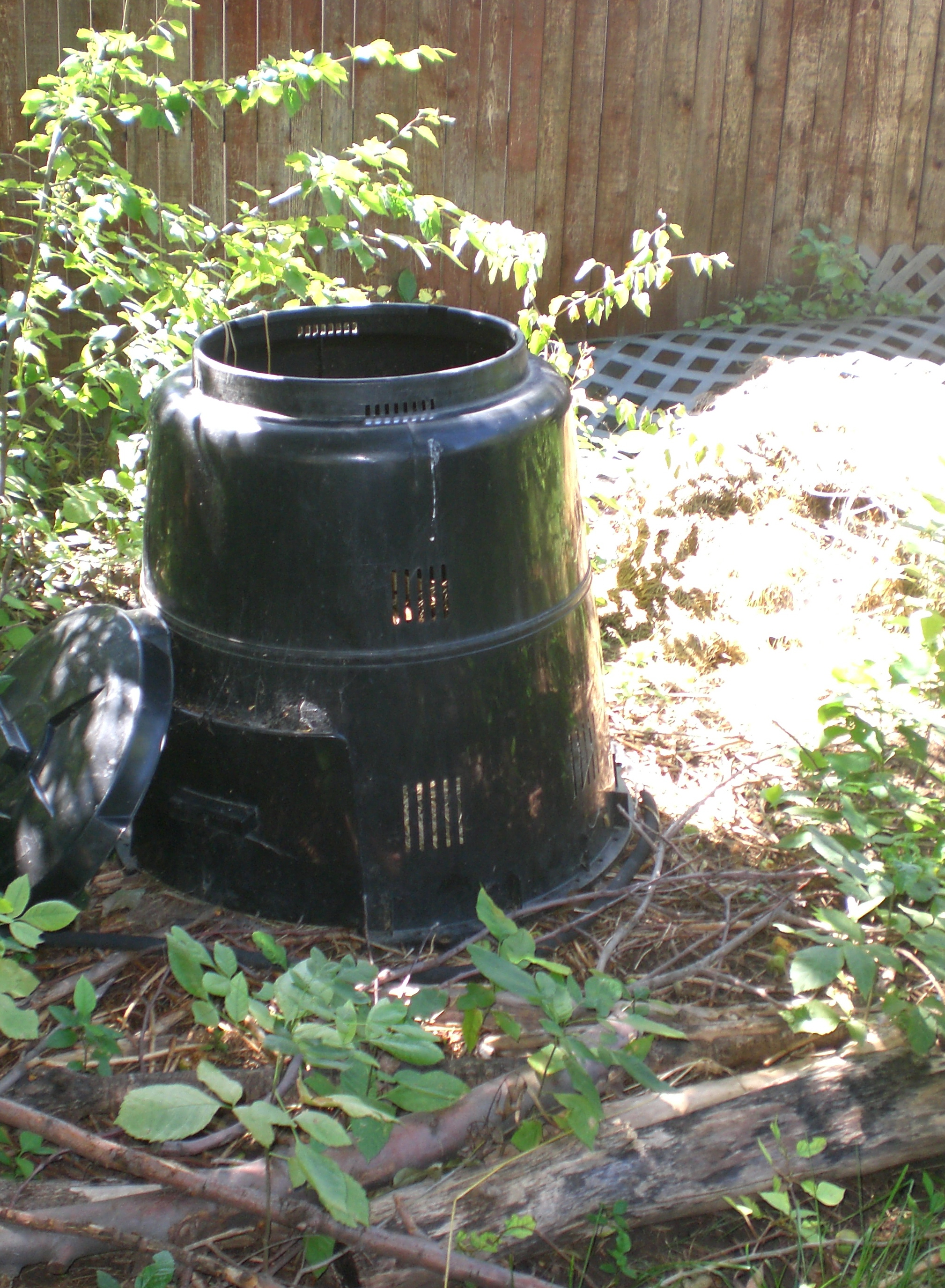
            One of my bins is black plastic- I bought it from the city a few years ago. It looks like Darth Vader is buried up to his neck in my yard. (link to compost bin?) It would look cool, if that were the look I was going for. It isn’t, so I try to hide it behind a tree.(link to self)  The black plastic helps the bin heat up, speeding decomposition.  In the summer, at the height of weed season, I can stuff the bin full, hose it down and put the lid on. In a week, when I have another trash barrel full of weeds, there is already room for it.  The bacteria and fungi in the bin have eaten up the organic matter so quickly that it breaks down by half in only a week.  It’s amazing, even if it is a little gross.

            My second bin is enormous. The design is my brother’s invention- two plastic lattice panels wired together into a circle five feet in diameter and four feet tall.  If you read the same books I do, you know that a compost bin has to be at least 3 feet in all dimensions in order to heat up enough to kill weed seeds.  My lattice bin holds about 2 cubic yards, and heats up so effectively that I have never been able to fill it. I can add bag after bag of leaves in the fall, barrel after barrel of weeds in the summer, and it just continuously boils down. 

            On a  sunny day in the spring, I  spread out the finished compost, move the bins and start over.  This is the only work I do with my compost bins- some people do turn theirs, but I am not one of those people.  For a peek into another world of largescale compost production, see One Straw’s posts at htt[:/onestraw.wordpress.com .  If you have a yard cart that the trash trucks pick up, you probably pull weeds and rake leaves and then wheel that material to the curb. I just wheel my material to my bins and dump it.  The difference is, I get to keep the free compost.

You did what to a chicken?


This was after the thermometer rang in at 175, and I had turned the burners off.

Last Thanksgiving, I saw directions for “spatchcocking” a turkey. What is that? I wondered…it sounds dirty. Well, it is. But not in the way you’re thinking. It turns out, spatchcocking is cutting along either side of a bird’s spine and removing it, then smushing it flat, so it grills faster.
I spatchcocked a chicken today. I was going to take pictures, but I had all kinds of chicken stuff on my hands, then I pinched my finger in the kitchen shears, so I had some issues with the camera. I was going to have the girl help me, but she was on http://www.lego.com again (it’s like Facebook… for imaginary people?). She spends more time with fake Legos than real one, these days.
Anyway, no pictures of the process of cutting it up, which is gross, but easier than I expected. It goes fast- indirect grill for 15 minutes skin side down, then skin side up until you get to 175 degrees on the thigh, like another 15-20 minutes For slightly more expert advice… try http://www.foodnetwork.com/recipes/ina-garten/butterflied-chicken-recipe/index.html I think you can do it in the oven, too, and it would speed things up.
I know there are those of you who are opposed to chicken on the bone, but I think it has more flavor. And you can’t beat the price- whole young chickens are pretty cheap.
I wondered about the word origins, being the word nut I am, and it turns out that a lot of other people wondered, too. http://www.nakedwhiz.com/spatchdef.htm No clear answer about what language it’s from- I like the Irish story best, but really, who knows?

Beware- onion and tomato salad


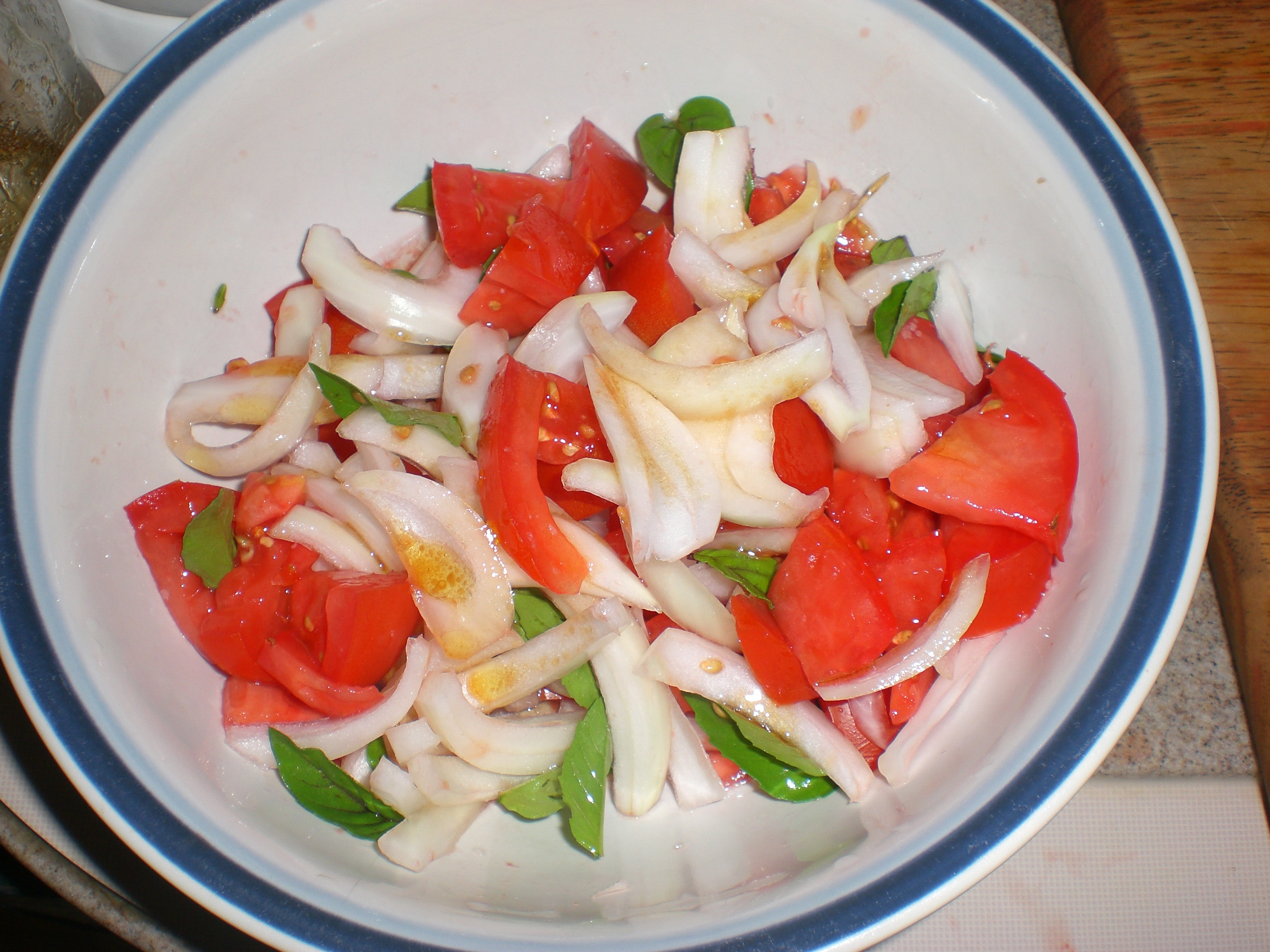
This would also be great on a pizza, or over pasta.

My kids wanted frozen pizza for dinner tonight. I was happy to make it for them, but didn’t really want to eat it myself. Tomato season is coming on, and I had a Walla Walla onion left from a party a few weeks ago.

I had marinated the onions in basalmic vinegar, olive oil and Vietnamese fish sauce, then I grilled them. My friend Grif came to the party early, and he kept snitching raw onions out of the bowl they were marinating in. I couldn’t believe he was eating raw onions, then I tried one. It was really good.

Tonight, I sliced the onion into wedges- cutting pole to pole instead of around the equator. I soaked it in cool water for a few minutes, to take away some of the bite. I learned this trick from Andrew Weil’s book 8 Weeks to Optimum Health http://www.drweil.com I love the book, although I have never made it through all 8 weeks. That may be why I am not in optimum health.

While the onions were soaking, I zipped outside to get some tomatoes and basil. I chopped the tomatoes, drained the onion, and ripped up the basil, and tossed them all together with some vinaigrette and salt. Paradise in a bowl.

Previous Older Entries Next Newer Entries